
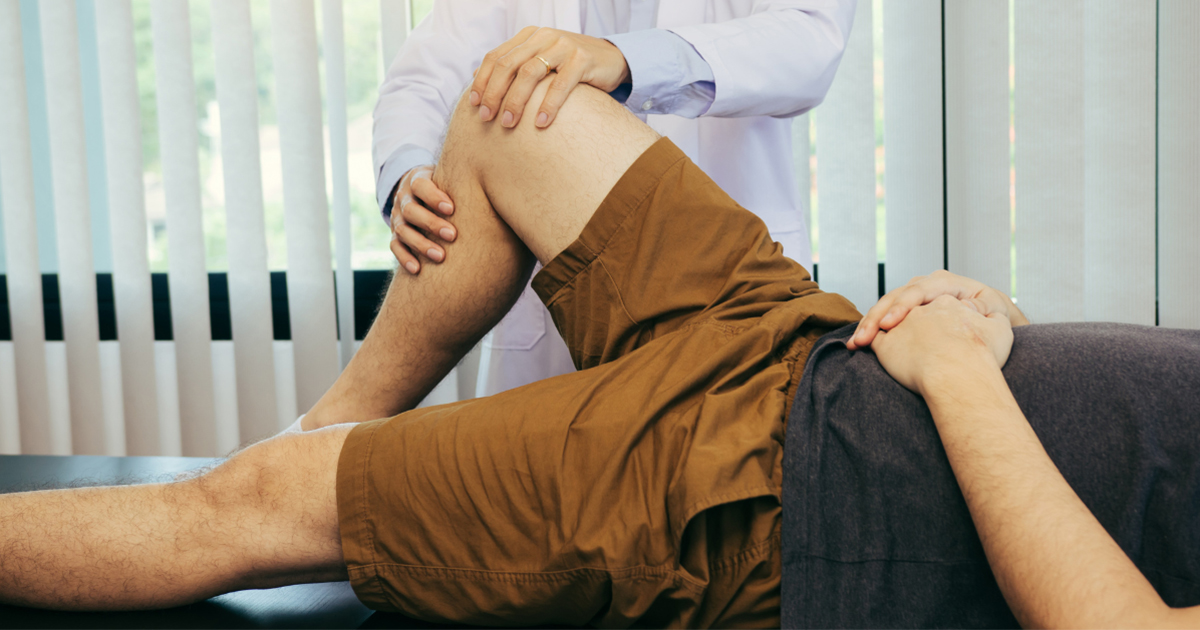
One day, you wake up with a slight twinge in your knee and naturally start favoring your other leg. Over time, you notice your hip aches, your lower back feels tight, and your ankle hurts. What started as minor discomfort has spread. This is joint compensation pain, where subtle changes in your movement to avoid pain can lead to pain spreading to other joints.
The Hidden Role of Joint Compensation
Our bodies are designed to avoid pain, and this often occurs without us realizing it. When one joint begins to hurt, we instinctively shift our movement. These adjustments may relieve immediate discomfort, but they can also trigger compensatory movement pain in other parts of the body. Here are some examples of adaptations that can cause joint compensation pain:
- Favoring one knee can strain the hips, lower back, or ankle, leading to altered gait pain
- Avoiding overhead movement due to shoulder pain can create tension in the upper back and neck
- Hip pain can change the way you walk, which may lead to muscle imbalances and pain in other areas
Common Causes of Joint Compensation Pain
Often, the original joint discomfort in shoulders, hips, and knees that causes compensatory movement pain is from minor, everyday actions. These are lifestyle habits to be aware of that might result in pain spreading to other joints:
- Desk work/prolonged sitting
- Poor posture
- Repetitive overhead movements
- Prolonged inactivity
- Overexertion during exercise
Simple Ways to Improve Joint Mobility Safely
Improving joint mobility requires small, consistent movements that help restore natural movement and reduce joint compensation pain over time. Here are some tips:
Daily Stretching
Slow and controlled movements help lubricate joints and improve the range of motion. Simple shoulder circles, hip openers, light knee bends, and other daily stretches can reduce stiffness and compensatory movement pain.
Lifestyle Adjustments
Daily habits play a critical role in joint health. Maintaining good posture, taking frequent walks, and avoiding long periods of sitting can restore balanced movement patterns, lessening joint compensation pain. Additionally, it’s vital to listen to your body to know your limits and recognize when you're in pain.
Low-Impact Exercise
Activities like walking, cycling, swimming, and yoga keep joints active without placing excessive stress on your body. These exercises strengthen the muscles supporting your joints and promote balanced alignment, reducing pain spreading to other joints
When to Seek Orthopedic Care for Compensatory Pain
Addressing pain early is essential to preventing more serious issues. If your compensatory movement pain continues after rest, stretching, and low-impact activities, it might be time to consider professional care. Signs that you should consult an orthopedic specialist include:
- Persistent pain for more than two weeks
- Difficulty performing daily activities
- Feeling like your joints may give out or lock up
- Pain, swelling, or numbness
At Orthopedics Specialist of Jacksonville, we offer personalized orthopedic care tailored to your specific needs. Whether you require physical therapy, advanced imaging, or a surgical consultation, our team is committed to helping you find lasting relief and return to feeling your absolute best.
Find Relief with Orthopedic Specialists of Jacksonville
Take control of your joint compensation pain and get the help you need today. Schedule an appointment with one of our board-certified, fellowship-trained orthopedic physicians.