
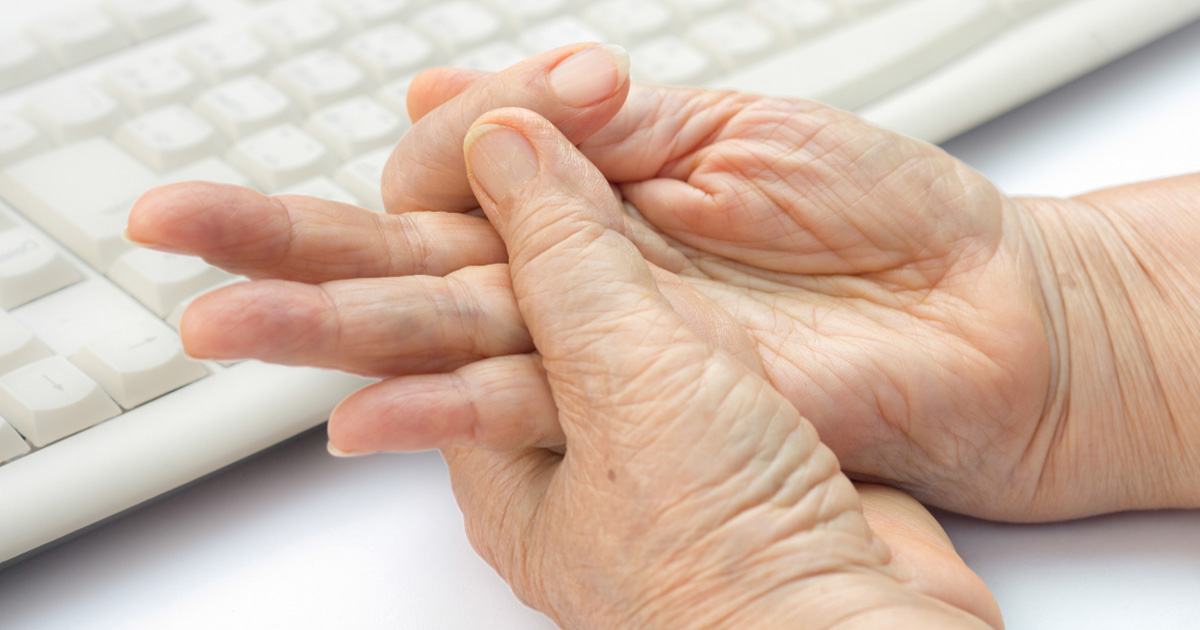
Does your hand hurt after a day at work? Is wrist pain making it harder to grip your tools? Maybe your elbow aches after a workout, or shoulder pain is starting to interfere with the hobby you love.
Your hands and arms help you do countless things every day. But when the same movements happen over and over, your muscles, tendons, joints and nerves can take a toll. Understanding common sources of hand and arm pain can help you recognize problems earlier and take steps to protect your ability to do the things you love.
What Everyday Activities Can Cause Hand and Arm Pain?
You don’t have to play a high-impact sport or perform heavy manual labor to develop an overuse injury. Work-related hand injuries and recreation-related strain are more common than you think. Repetitive movements, awkward positioning and prolonged use can all contribute to strain.
Some common activities include:
- Typing and using a mouse for extended periods
- Lifting or carrying objects at work
- Gardening and home improvement projects
- Repeatedly gripping tools or equipment
- Playing musical instruments
- Playing sports or other recreational activities
- Weightlifting or strength training
- Cooking, crafting, sewing, and other hands-on hobbies
- Spending long periods on a phone or tablet
These activities may contribute to repetitive hand injuries and strain when the body doesn’t have time to recover between repeated movements.
From Your Elbow to Your Shoulder: Strain Can Travel
Hand and wrist overuse don’t always stay in the hand. Because the hand, wrist, elbow and shoulder work together, hand and wrist strain can cause pain throughout the arm.
For example, repeated gripping or lifting can place stress on the forearm and elbow. This can cause elbow pain, particularly during activities that require forceful or repetitive arm movements.
Similarly, repetitive reaching, lifting, pushing or pulling can contribute to shoulder strain. Poor posture and prolonged sitting may add to the problem, especially during desk work or other activities that keep your arms in the same position for long periods.
Early Warning Signs You Shouldn’t Ignore
Not every ache means you have a serious injury. But recurring pain, stiffness or weakness can be your body’s way of telling you that something needs to change. These symptoms may be early signs of overuse injuries, such as tendonitis in the arm.
Watch for signs such as:
Pain that Keeps Coming Back
If discomfort repeatedly returns after work, exercise or a favorite hobby, the activity might be placing excessive stress on that particular area.
Increasing Stiffness
Difficulty moving your wrist, elbow, shoulder or fingers is normally a sign that an issue is developing.
Loss of Strength
Trouble opening jars, carrying objects, gripping tools or performing familiar tasks shouldn’t be ignored.
Numbness or Tingling
Changes in sensation may indicate nerve irritation or compression.
Pain that Affects Everyday Activities
When discomfort starts interfering with sleep, work, exercise, hobbies or household tasks, it’s time to take it seriously.
How to Reduce Everyday Strain
You don’t have to give up the activities you enjoy. Small adjustments can reduce repetitive stress and give your body more opportunities to recover.
Try to:
- Take short, regular breaks during repetitive activities
- Change positions rather than staying in one posture for long periods
- Use proper technique when lifting, exercising or using tools
- Gradually increase the intensity or duration of a new hobby or workout
- Pay attention to the pain instead of pushing through it
- Give sore areas time to recover before returning to strenuous activities
Schedule an Appointment with Orthopedic Specialists of Jacksonville
Don’t let hand and arm pain keep you from what you love. Your hands and arms play a significant role in your independence and the activities that make your life meaningful. Persistent pain doesn’t have to become something you live with.
If your hand or arm symptoms are affecting your daily routines, an evaluation can identify the cause and what treatment options may help you move forward. Schedule an appointment with one of our orthopedic hand specialists to get back to the activities you love.