
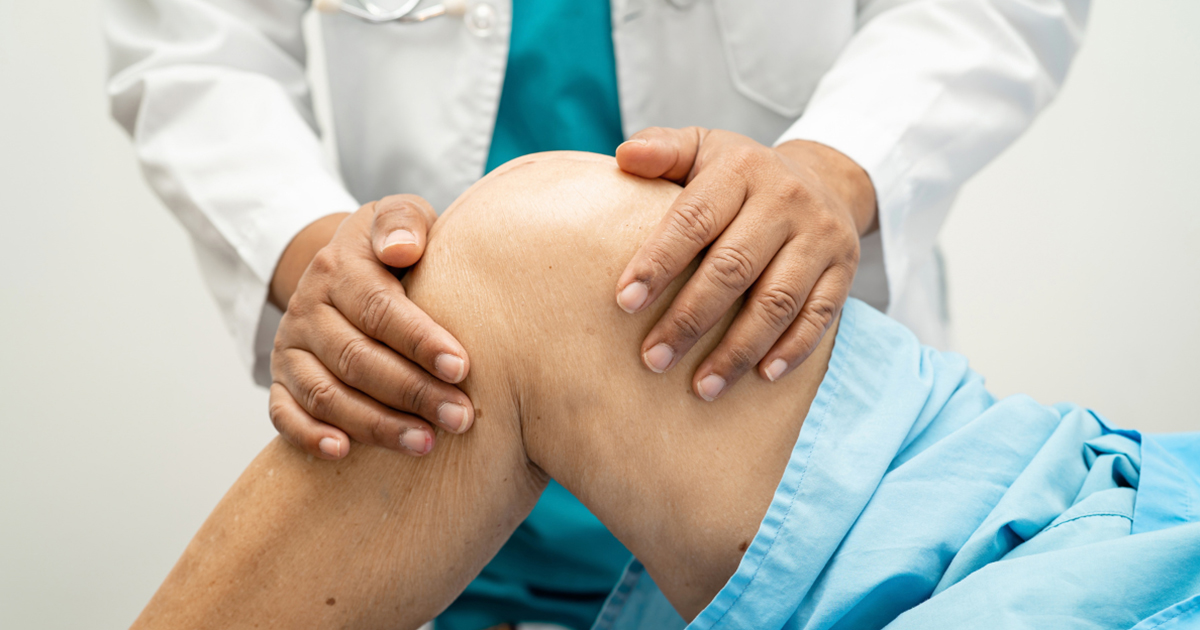
Are knee pain and stiffness making it harder to enjoy the activities you love? When knee pain affects daily life and non-surgical treatments no longer help, knee replacement surgery may be an option. But not all knee replacement procedures use the same surgical approach.
Muscle-sparing knee replacement is a less invasive surgical approach designed to minimize disruption to the muscles and tendons surrounding the knee. Learn how this technique differs from traditional knee replacement, its potential benefits, and who may be a candidate.
What is Muscle-Sparing Knee Replacement?
Muscle-sparing knee replacement is a minimally invasive knee replacement surgery. It aims to preserve the quadriceps muscle and tendon during the procedure. The quadriceps muscle, located at the front of the thigh, plays an important role in straightening the knee, walking, climbing stairs, and maintaining stability.
During knee replacement surgery, surgeons remove damaged joint surfaces and replace them with artificial components. Muscle-sparing techniques allow surgeons to access the knee joint while minimizing disruption to surrounding muscles and soft tissues.
How is Muscle-Sparing Knee Replacement Different from Traditional Knee Replacement?
The primary difference between traditional and muscle-sparing knee replacement is how the surgeon accesses the knee joint. Traditional knee replacement commonly involves an incision through part of the quadriceps tendon to provide access to the joint. Muscle-sparing techniques, such as the subvastus approach, allow surgeons to access the joint while preserving the quadriceps tendon and minimizing disruption to the muscle.
Both procedures are designed to replace damaged joint surfaces, relieve pain, and improve mobility. However, preserving surrounding muscles and tendons may offer advantages during the early recovery process for select patients. The specific surgical approach depends on the patient's anatomy, knee condition, and the surgeon's evaluation.
Potential Benefits of Muscle-Sparing Knee Replacement
For patients considering knee replacement, understanding the potential benefits of different surgical techniques can help them make informed decisions.
Potential advantages of muscle-sparing knee replacement may include:
- Less Muscle Disruption: Preserving the quadriceps muscle and tendon may reduce trauma to surrounding soft tissues.
- Reduced Postoperative Discomfort: Some patients may experience less pain during the early recovery period.
- Improved Early Mobility: Minimizing muscle disruption may make it easier for certain patients to begin moving after surgery.
- Shorter Hospital Stay: Some patients may be able to return home sooner, depending on their condition and recovery progress.
- Potentially Faster Early Recovery: Preserving the quadriceps mechanism may support earlier functional improvement for some patients.
While these benefits are possible, recovery differs for each person. Muscle-sparing knee surgery methods do not promise faster healing or better long-term results than traditional knee replacement.
Who May Be a Candidate?
Patients experiencing significant knee pain, stiffness, or limited mobility due to advanced joint damage may be candidates for knee replacement surgery. Conditions such as knee arthritis can cause progressive joint deterioration that makes everyday activities increasingly difficult.
If non-surgical treatments such as physical therapy, medication, or injections are no longer providing sufficient relief, your orthopedic specialist may recommend evaluating surgical treatment options. However, not everyone who needs a knee replacement is a candidate for a muscle-sparing approach. The appropriate surgical technique depends on several factors, including the condition of your knee, anatomy, previous procedures, overall health, and individual treatment goals.
What is Recovery Like After Muscle-Sparing Knee Replacement?
One of the biggest questions patients have is: How soon can I get back to doing the things I love?
Although muscle-sparing techniques may support improved early mobility for some patients, recovery from knee replacement surgery still requires time, rehabilitation, and careful follow-up. Physical therapy typically begins soon after surgery and focuses on restoring range of motion, rebuilding strength, improving balance, and supporting everyday movement.
As recovery progresses, patients work toward returning to activities such as walking around the neighborhood, spending time with family, traveling, exercising, and enjoying hobbies that may have become difficult because of knee pain. Your orthopedic surgeon will provide individualized guidance regarding activity levels, rehabilitation, and recovery expectations.
Dr. Wilke’s Approach to Knee Replacement
Looking for a knee replacement surgeon in Jacksonville? Orthopedic Specialists of Jacksonville’s Dr. Benjamin Wilke, M.D., specializes in hip and knee conditions and joint replacement surgery. He takes an individualized approach to treatment, recognizing that every patient’s condition, anatomy, lifestyle, and goals are different. His focus is on identifying appropriate treatment options to help patients reduce pain, restore mobility, and return to the activities that matter most to them.
Explore Your Knee Replacement Options at Orthopedic Specialists of Jacksonville
Knee pain shouldn’t dictate how you spend your time. Whether you’re exploring knee replacement for the first time or want to learn more about muscle-sparing techniques, an orthopedic evaluation can help you understand your options.
Schedule an appointment with Dr. Wilke at Orthopedic Specialists of Jacksonville to discuss your knee pain and determine an appropriate path forward.