
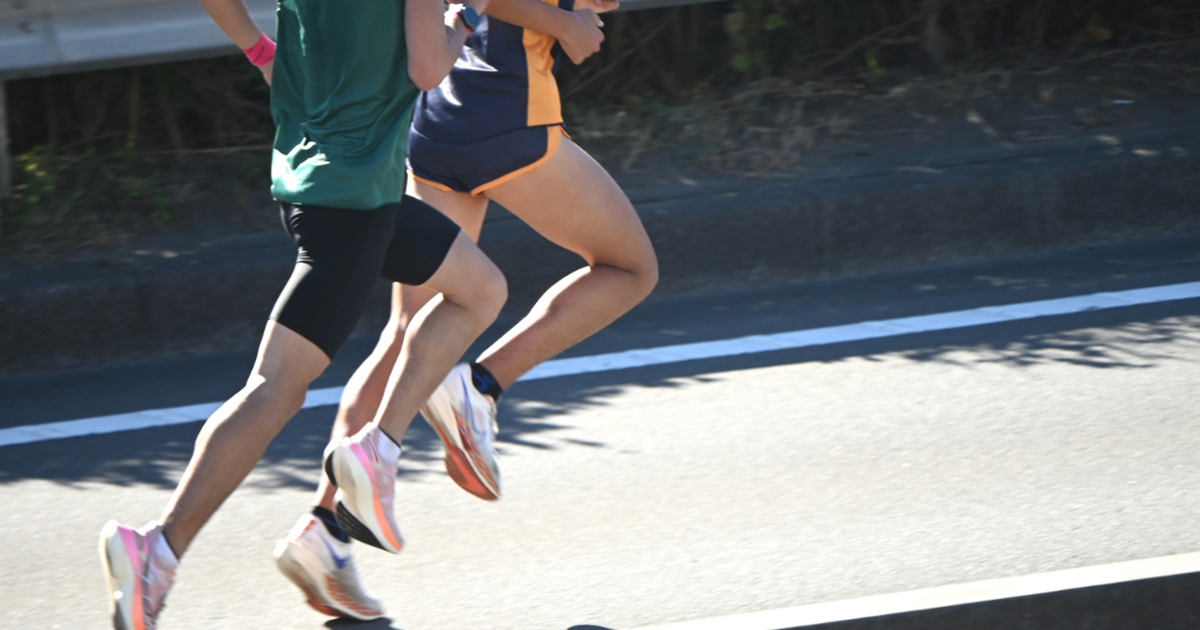
When people think of sports injuries, they often only picture professional athletes. The reality is that sports injuries can happen to anyone, especially active adults juggling busy schedules. Whether you're an athlete or simply enjoy staying active, knowing how to recognize, prevent and treat common sports injuries can help keep minor aches and pains from becoming long-term problems.
What are Orthopedic Sports Injuries?
Orthopedic injuries affect the musculoskeletal system and can result from sudden trauma, repetitive stress, overuse or improper movement. Many common sports injuries do not result from organized sports. Recreational exercise, home improvement projects, physically demanding jobs and repetitive movements can increase the likelihood of injury.
Whether you're a competitive athlete, weekend warrior or simply enjoy staying active, sports injuries can happen to anyone. Repetitive motions, overuse, sudden movements and physical activity can all increase the risk of injury.
Some of the most common sports injuries include:
- Achilles tendon injuries
- Rotator cuff tears
- Shoulder dislocations
- Meniscus tears
- Hand and wrist fractures
- Lumbar disc herniations
Why Weekend Warriors are More Vulnerable
“Weekend warriors” are people who pack in physical activity into a short amount of time after spending most of their week sedentary. Although staying active is beneficial, these sudden bursts of exercise without proper conditioning can increase the risk of injury. Adults are especially susceptible to overuse injuries involving the knees, shoulders and elbows.
Weekend warrior injuries often occur because of:
- Skipping stretching or warm-ups
- Overtraining after inactivity
- Poor flexibility and/or muscle conditioning
- Improper lifting or exercise technique
- Ignoring early signs of fatigue or pain
Injury Prevention Tips for Active Adults
While it's impossible to prevent every injury, there are several ways to reduce your risk and stay active safely.
Warm Up and Cool Down
Always prepare your body before exercise and sports. Dynamic stretching and other light movements help increase circulation and flexibility. It’s equally important to cool down afterward to reduce muscle stiffness and soreness.
Use Proper Technique
Whether you're in the gym, doing yardwork or playing basketball, proper body mechanics matter. Don’t be afraid to look up proper technique or ask for help with form.
Build Strength and Flexibility
Strength training helps support joints to improve stability, while flexibility exercises can reduce stress on muscles and tendons. Focus on core strength, shoulder mobility, leg stability and balance training.
Wear Protective Gear
Supportive footwear, braces when necessary and sport-specific equipment can help reduce the risk of injury during recreational exercise and physical labor.
Listen to Your Body
Knowing when to stop is one of the most important injury prevention tips. Persistent soreness, swelling or discomfort are all early signs of overuse injuries.
When to See a Sports Medicine Specialist
Many people try to push through the pain or assume injuries will heal on their own. However, delaying treatment can lead to long-term joint damage, chronic pain or reduced mobility. Early intervention often leads to faster recovery and may help patients avoid more invasive treatment options later.
If you’re experiencing any of the following, it might be time to see a sports medicine specialist:
- Persistent or severe pain that interferes with daily activities
- Swelling or bruising
- Weakness or instability
- Limited range of motion
- Numbness or tingling
Schedule an Appointment with Orthopedic Specialists of Jacksonville
Don’t let pain or limited mobility keep you from the activities you love. Schedule an appointment with one of our board-certified, fellowship-trained orthopedic physicians.